How to Get Ahead: Slow Time vs. Fast Time
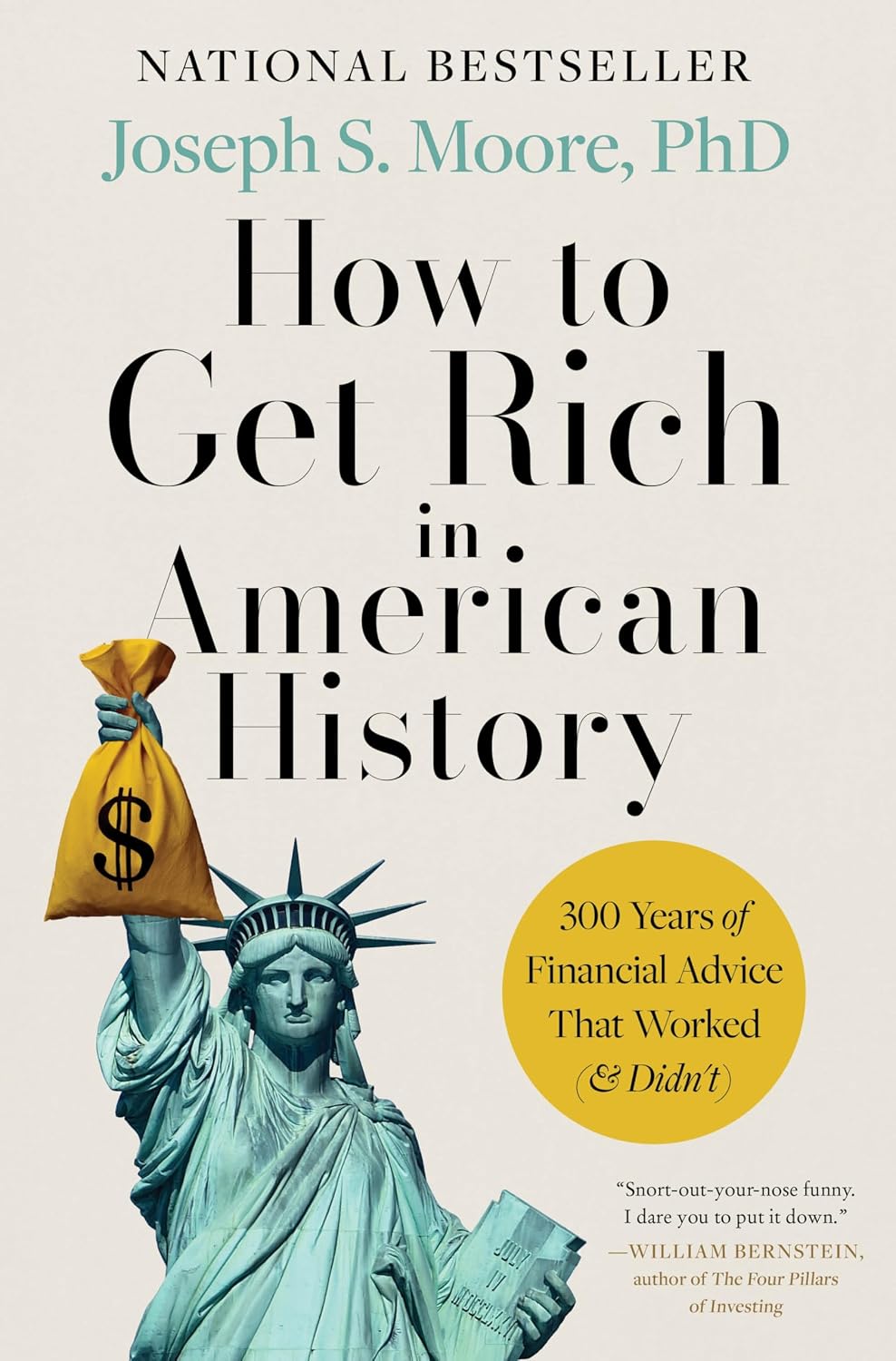
Two weeks ago, I read How to Get Rich in American History. It’s a history book that describes the strategies Americans used to create wealth and improve their financial position over 300 years. One concept that got me thinking was from Chapter 2, “Fast Time, Slow Time.”
Roughly, the idea is that fast time and slow time are just what they sound like. During slow time, life moves at a steady pace. Change happens slowly, making it easy to digest. Fast time is the opposite: Life, or aspects of life, move rapidly. Change happens at lightning speed.
The author of the book applies this idea to the accumulation of wealth: Slow time is following a steady approach to accumulating wealth. Think of working for the same company, learning a skill, and saving money for a decade or two. Fast time is taking an accelerated approach to accumulating wealth. Think of opening a business at the right time, when demand from potential customers is high, and the business producing a life-changing profit for the owners after one or two years.
This got me thinking about things that affect change and the rate of change.
A major factor is that change is sometimes random. Life is unpredictable, and you should expect some curveballs. Who had a global pandemic on their radar in January 2020?
When the rate of change and randomness are at normal levels, we’re in slow time. The change that we experience doesn’t feel like it alters life much. It feels manageable. Think 2019.
When the rate of change and randomness are elevated, we’re in fast time. The change feels extraordinary or life-altering. Adapting to this level of change can be difficult. Think 2020 and COVID-19.
Life isn't stable; it can change suddenly. You have to expect both slow change and rapid, surprising change. This being the case, how have people leveraged both slow time and fast time to accelerate their progress?
The author made a great point:
Those who can live in the present while building in the expectation for change —even if they aren’t always sure just how or when it’s coming—have a leg up on those who presume the brave new world of tomorrow will actually arrive tomorrow (or, on the flip side, never).
My take is that many people who realize outsize gains during fast time do so because they positioned themselves well during slow time. They planned for change and took steps during slow time that would give them an advantage when (or if) change occurs.
In the book, Norman McGhee is a great example. For 10 or 15 years, he studied business from the bottom up, despite racial headwinds. By his mid-thirties he was worth very little, but he understood business. When the Great Depression hit (fast time), many people lost their homes. McGhee, leveraging his knowledge of business, bought 100 foreclosed homes, which he turned into rentals. He borrowed 100% of his costs and banked on the homes’ values rising. McGhee knew a business opportunity would present itself to him one day, and he wanted to be prepared to act decisively when it did. This investment helped McGhee become one of the most prominent black businessmen of his era. His success in real estate allowed him to break the racial barrier on Wall Street and become one of the first black stockbrokers.
Change often begins slowly and then takes off, seemingly all at once. During slow time, spotting that change or at least understanding that the future will look different than the present in unanticipated ways is key. If you can do this, you can plant seeds during slow time that will produce an excellent harvest during fast time, when rapid change occurs.
2026
History
by
Joseph S. Moore
2026