I Stopped Reading Random Books
Last week, I was chatting with someone about books and how I think about reading. I used to pick up random books to read, but now I’m more intentional about why I read. Before I choose a book, I write down what problem I’m trying to solve or what roadblock I’m currently facing. The more painful the problem, the more motivated I am to solve it. I then go find books written by people who have solved the problem, often biographies or framework books.
I use a synoptical reading approach to consuming the books. I’m not looking for the answer in any single book. I’m looking for patterns, and I’m comparing and contrasting ideas in the various books. The idea is to understand the problem and possible solutions from different perspectives so I can come to my own conclusions about how to solve the problem.
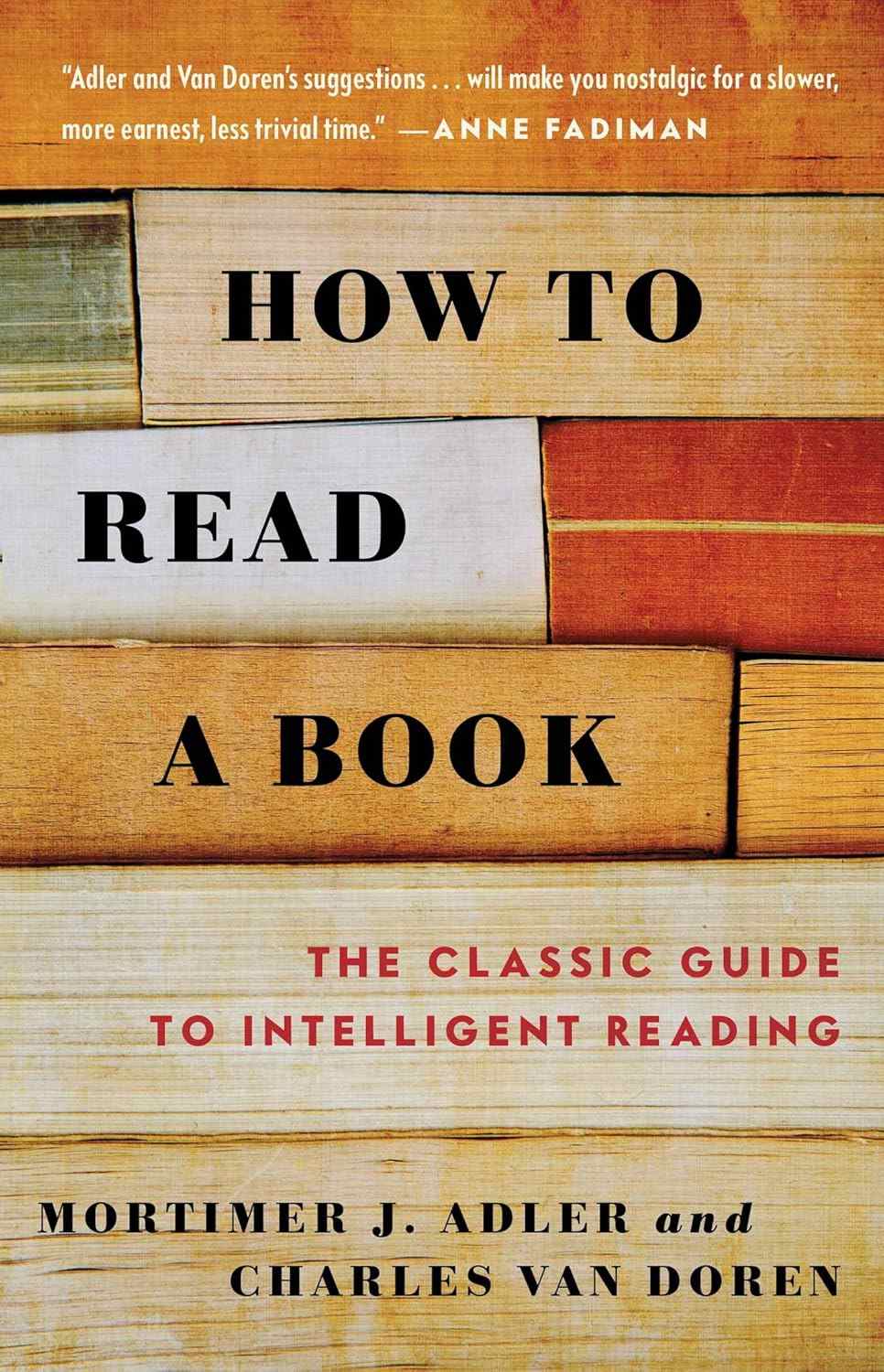
I found out about synoptical reading when I read How to Read a Book in 2023. I synthesized what I learned from that book here. It took a little bit of effort to embrace this approach, but I’m glad I did. It’s one I hope I can keep up for many years.
2014
Framework
by
Mortimer J. Adler and Charles Van Doren
2014