


Jermaine's Notes

April 2024
January 2026
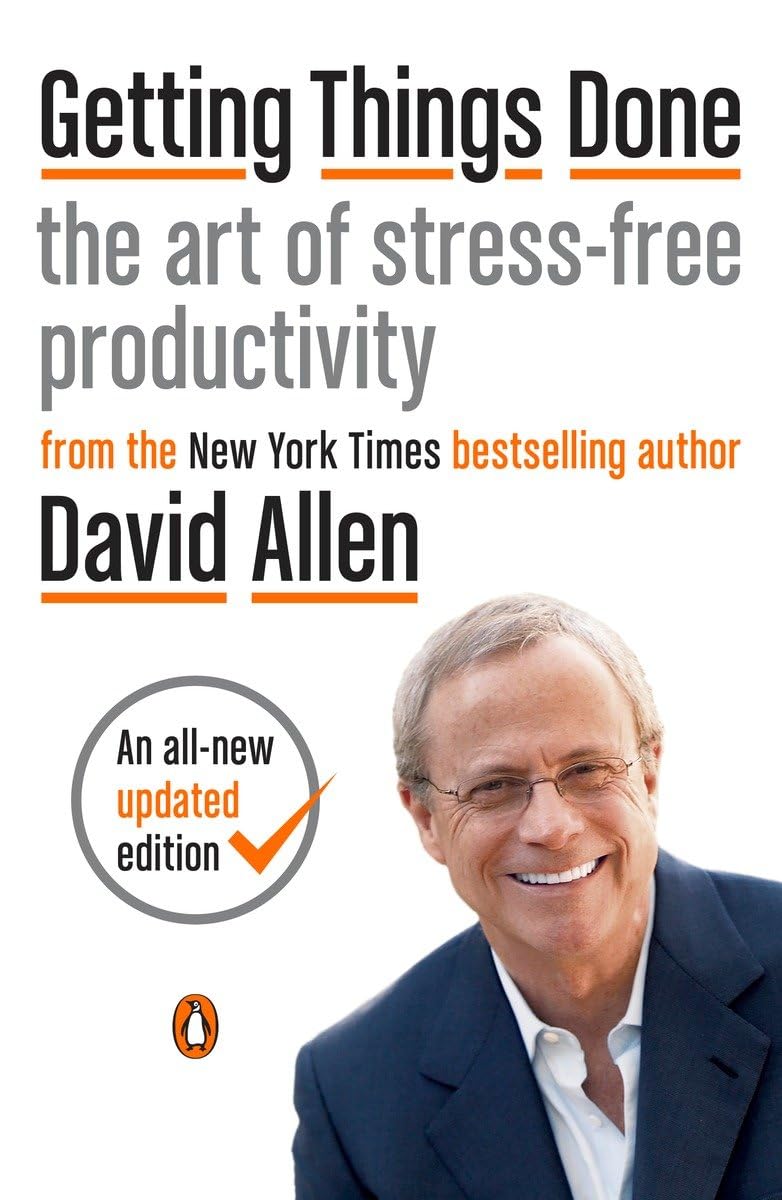
Best approach I've seen to sustainable productivity. Various biographies mention tactics found in this book. Read 2015 paperback.
Connected Books
Building a Second Brain
April 2024
January 2026
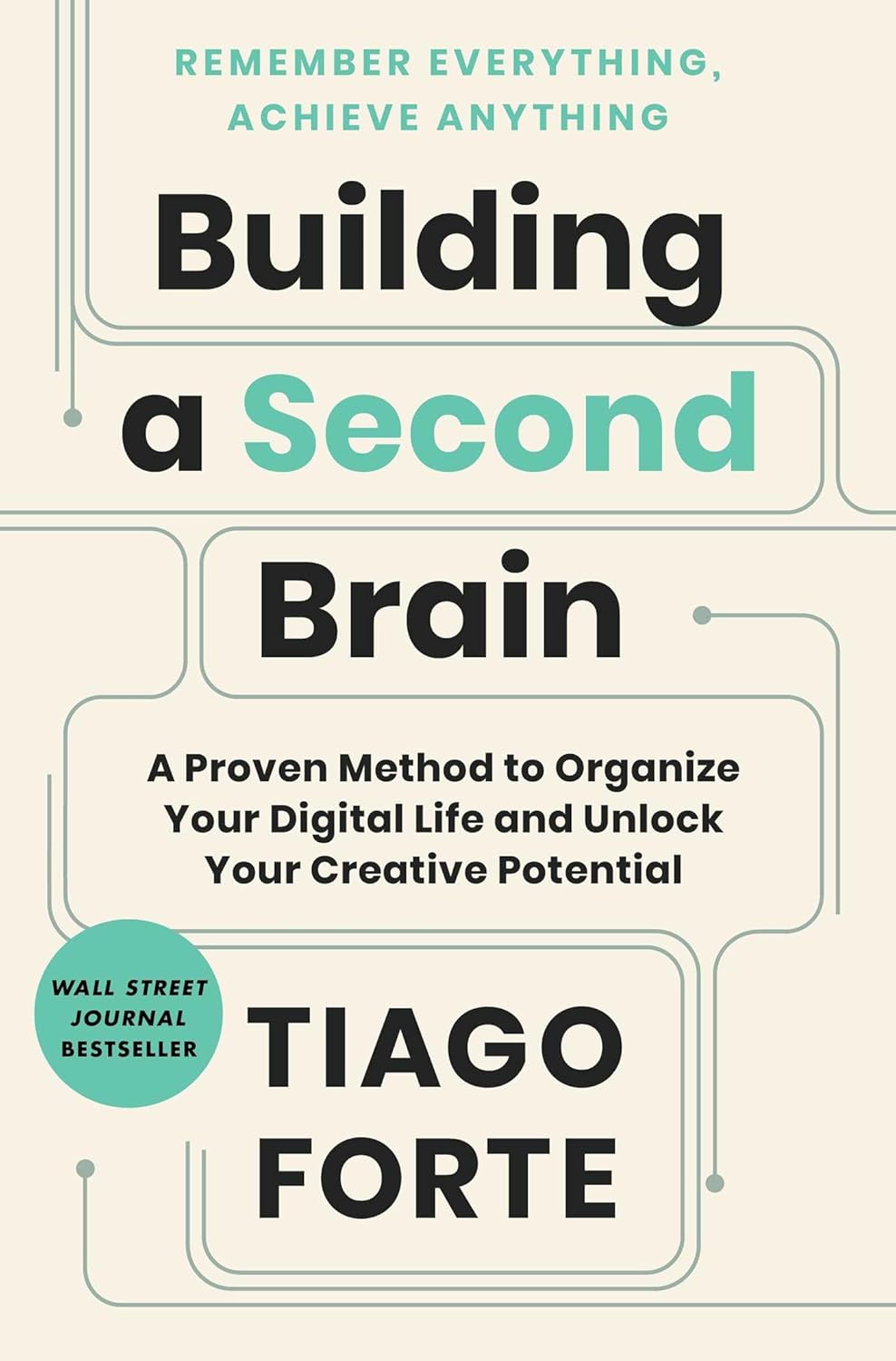
This book details a framework to tackle digital chaos by organizing your digital life and knowledge. Learn how to be more productive by capturing, organizing, and better utilizing your digital information.

Atomic Habits
October 2021
A framework for using small daily habits and systems—rather than setting ambitious goals—to increase the likelihood that you will arrive at your desired destination. Clear outlines three levels of behavior change: outcomes (what you get), processes (what you do), and identity (what you believe). He emphasizes starting with the identity layer: belief-based habits that focus on the kind of person you want to be. Once you know who you want to be, it’s easier to back into what you need to do (process layer) to get the result you want (outcome layer).
The Checklist Manifesto
November 2025
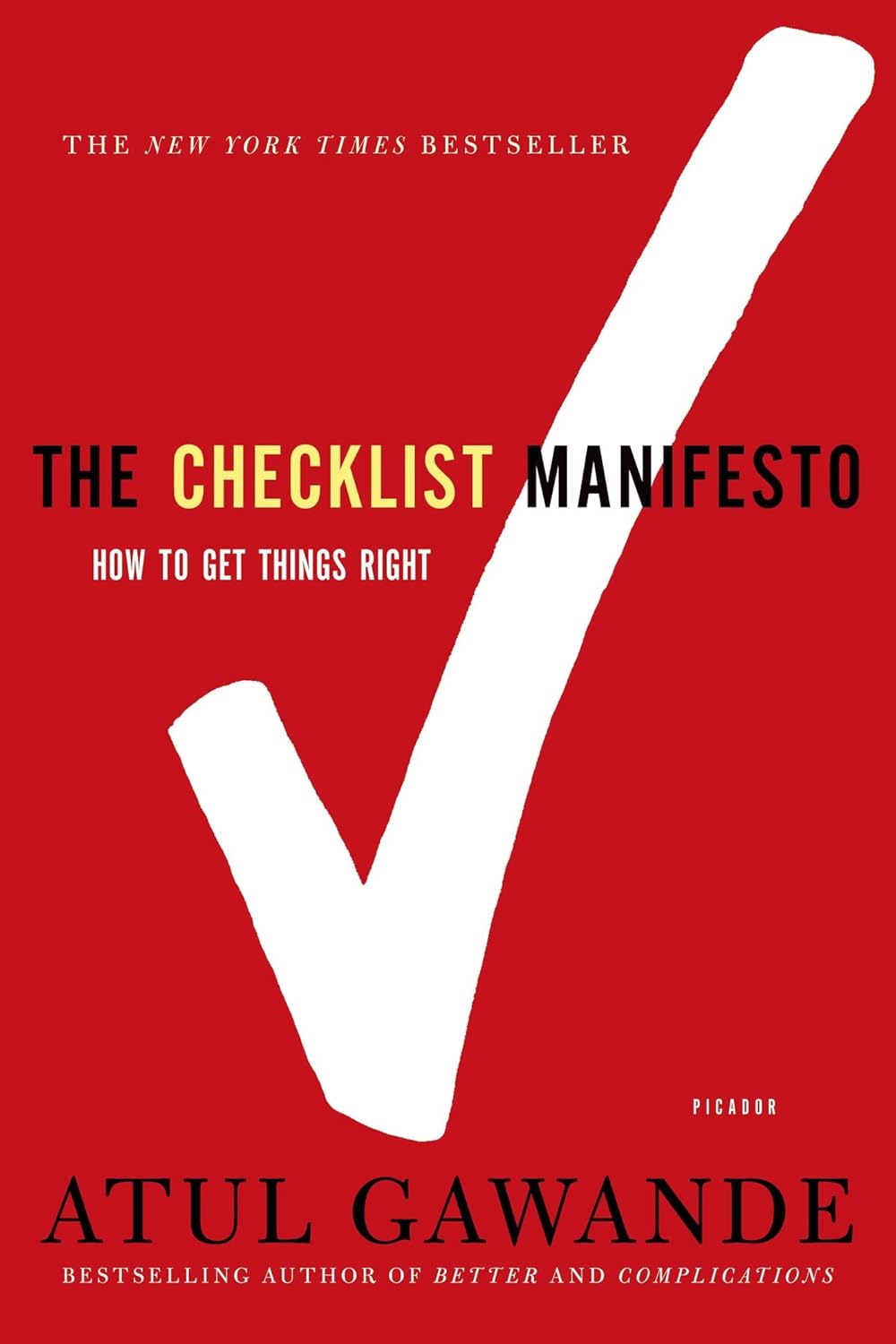
A framework for using checklists to improve outcomes by acting and thinking more consistently in an increasingly complex world. Drawing on examples from surgery, aviation, and construction, the author shows how checklists reduce errors of omission—missing critical steps under pressure—and errors of ineptitude—failing to apply what we already know. He explains two types of checklists and when each applies: “do-confirm,” where you perform tasks from memory and then verify them, and “read-do,” where you follow steps line-by-line in high-stakes or unfamiliar situations.
The PARA Method
January 2026
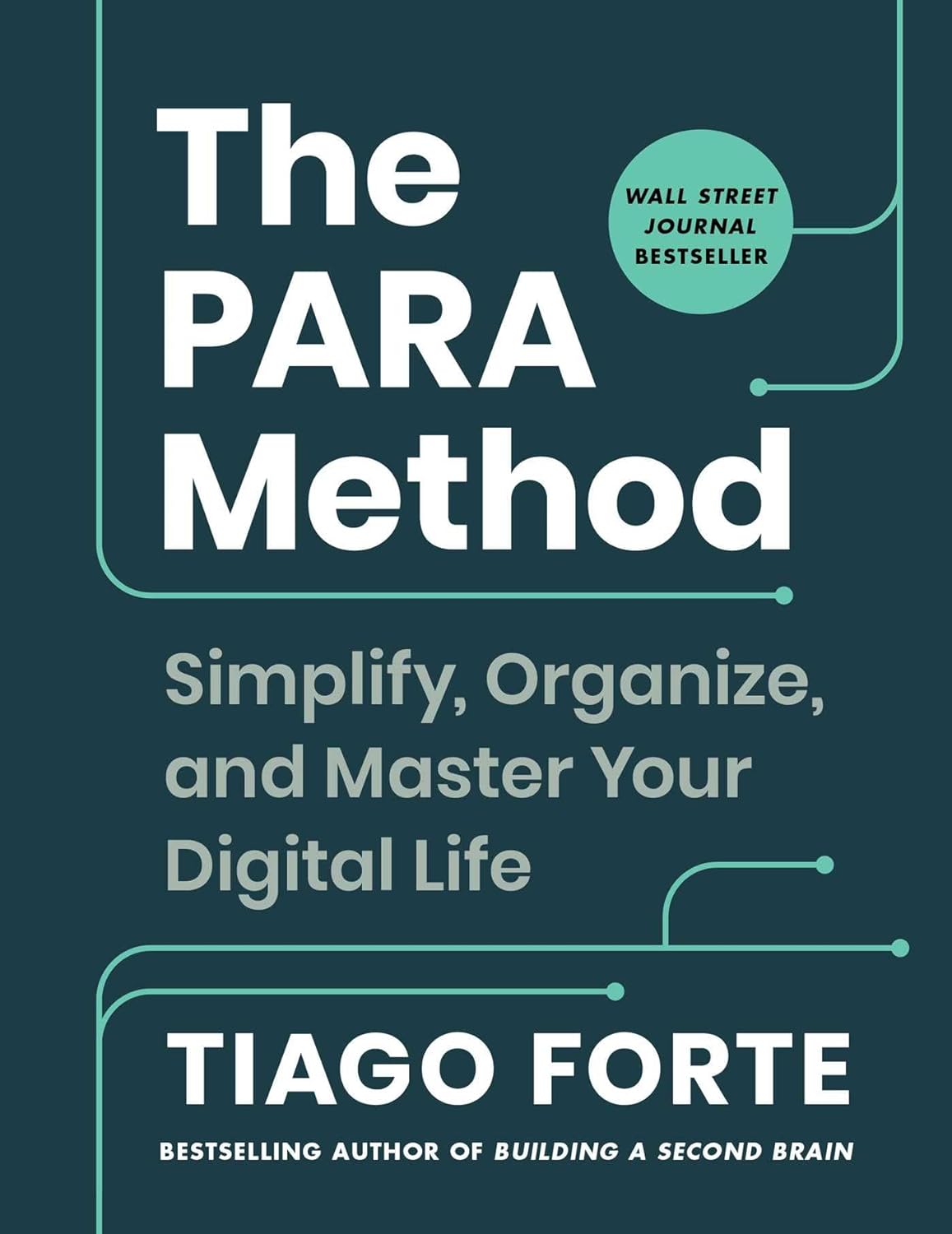
A framework book that walks you through implementing Tiago Forte's PARA method from Building a Second Brain. PARA—Projects, Areas, Resources, and Archives—reorganizes notes, files, and information around what you’re actively working on rather than where things are traditionally stored. The core idea is that information only has value if it’s easy to retrieve and immediately actionable. By organizing around action and outcomes, the system helps you actually use what you save and work more efficiently.
Connected Posts
Connected Entrepreneurs
No items found.