
Here are the 51 books I read in 2025, sorted by month!
My 2025 Reading List
January 2025
4 books
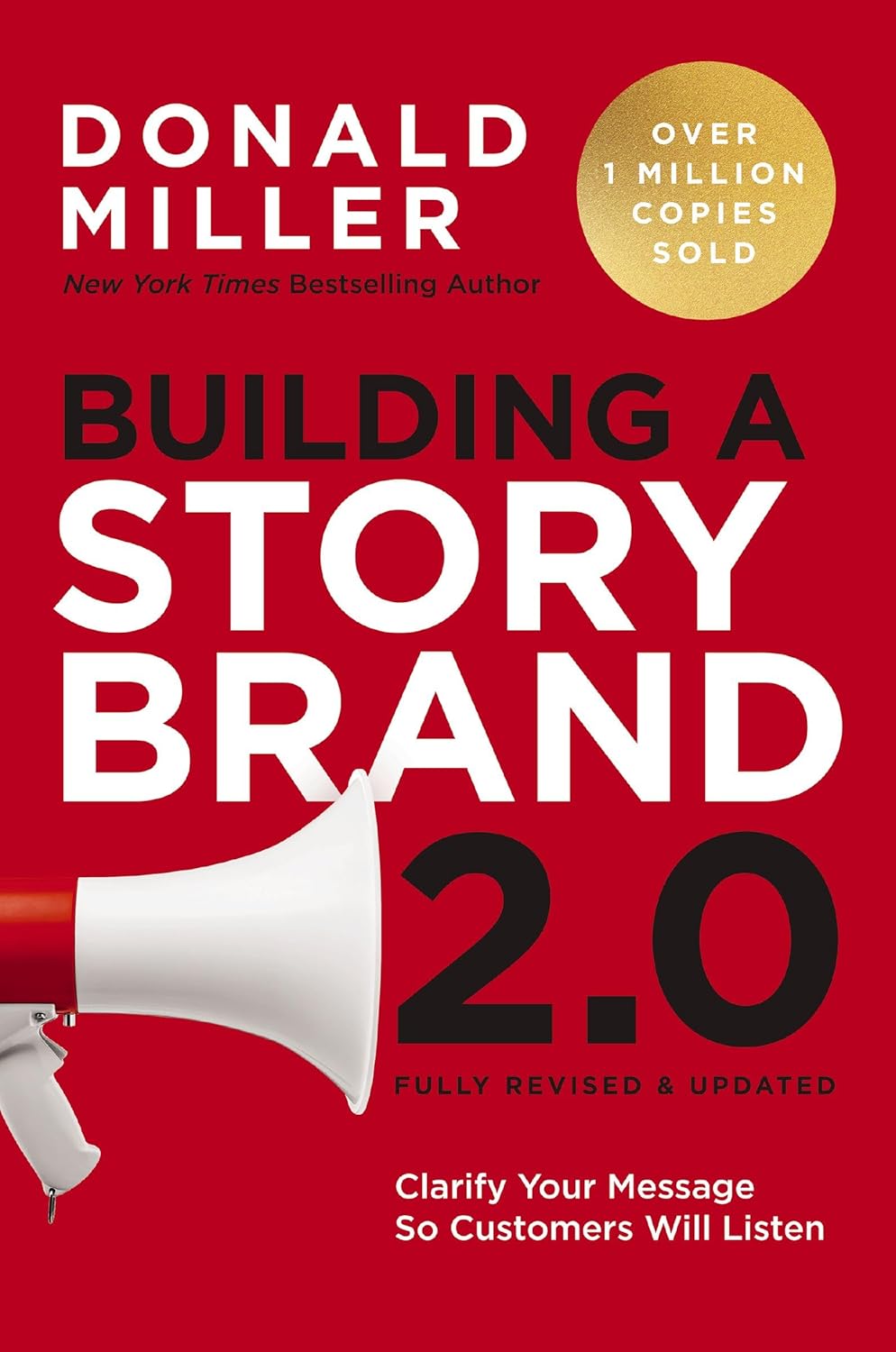
Building a StoryBrand 2.0
Framework to communicate your company’s solution and value add in a way that resonates with customers by Donald Miller. Describes the psychology of customers, how to influence their perspective on your solution, and how to get them to act. This is an update to the 2017 version of this framework.
Helpful framework for developing messaging to customers. Using loss aversion in message stuck with me. Read 2025 hardcover.



Poor Charlie’s Almanack
Frameworks and mental models for decision-making used by Charlie Munger. This book is a collection of speeches on mental models and psychology for making better decisions to become a better investor and live a fulfilling life. This version contains Charlie's updated thinking since the original 2005 version at the end of each chapter.
Munger's wisdom on psychology and multidisciplinary thinking is invaluable. Read 2023 hardcover.

T. Rowe Price
Biography of Thomas Rowe Price Jr., founder of T. Rowe Price Group. This book details his life and how, during the 1930s Depression, Price recognized that owning growing businesses generated the largest fortunes. It also details how he started his firm and created a growth investing movement.
Interesting to see how Price's macro top-down investing style worked and didn't work. He shouldn't have sold his firm imo. Read 2019 hardcover.
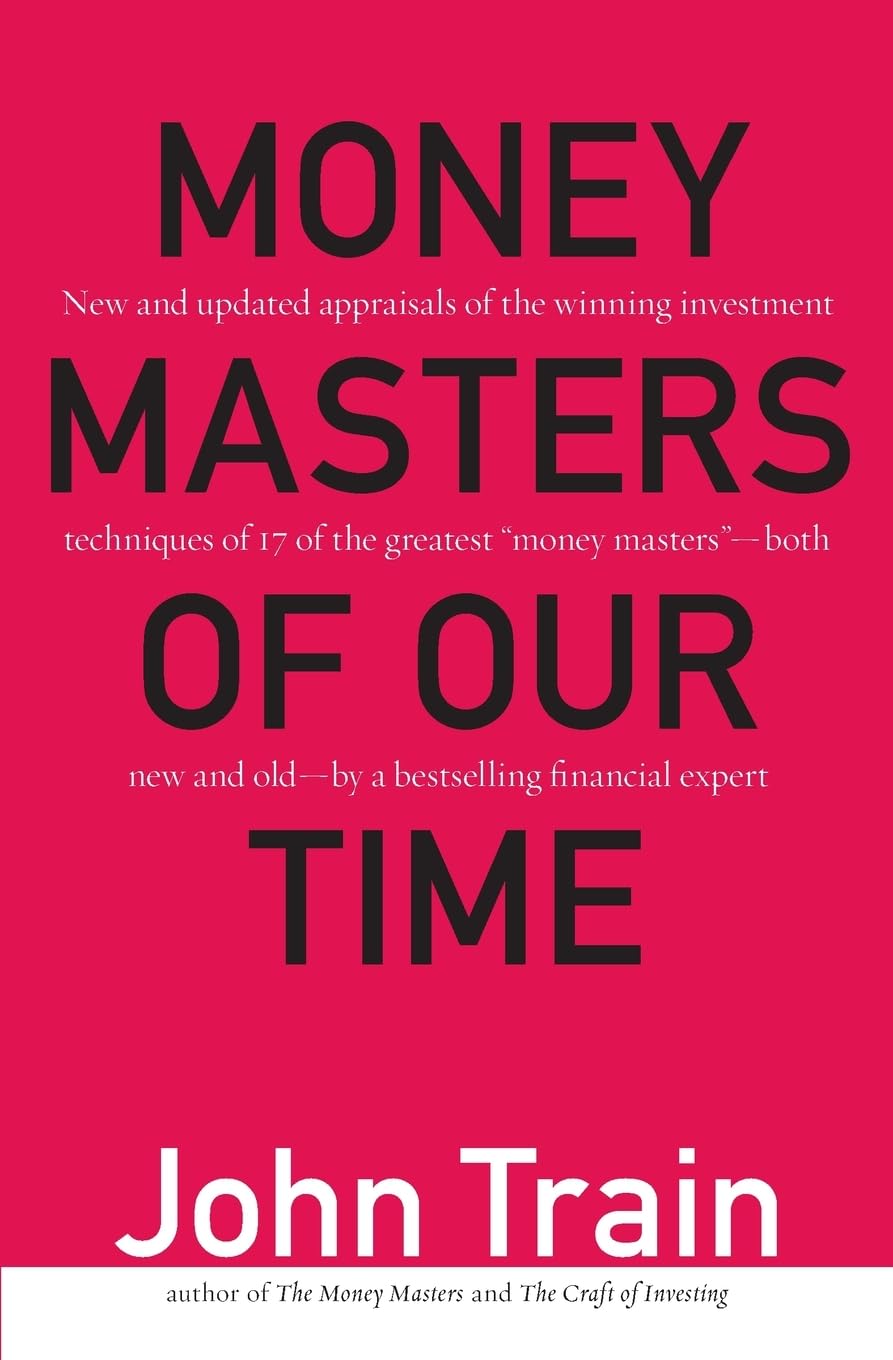
Money Masters of Our Time
Biographical anthology about 17 investors, most of whom founded their own firms. Details their lives, investment philosophies, and strategies. Investors include T. Rowe Price, Warren Buffett, Paul Cabot, Philip Carret, Philip Fisher, Benjamin Graham, Mark Lightbown, Peter Lynch, John Neff, Richard Rainwater, Julian Robertson, Jim Rogers, George Soros, Michael Steinhardt, John Templeton, Ralph Wanger, and Robert Wilson.
Helpful biographical anthology. I'm looking for a good biography on Julian Robertson. Read 2003 paperback.
February 2025
4 books

Growth Levers
Framework to help companies find and optimize the factors that lead to sustainably acquiring customers. This approach is data-driven and focuses on strategic experimentation.
Good process for companies struggling to find ideal customers. Read 2024 paperback.
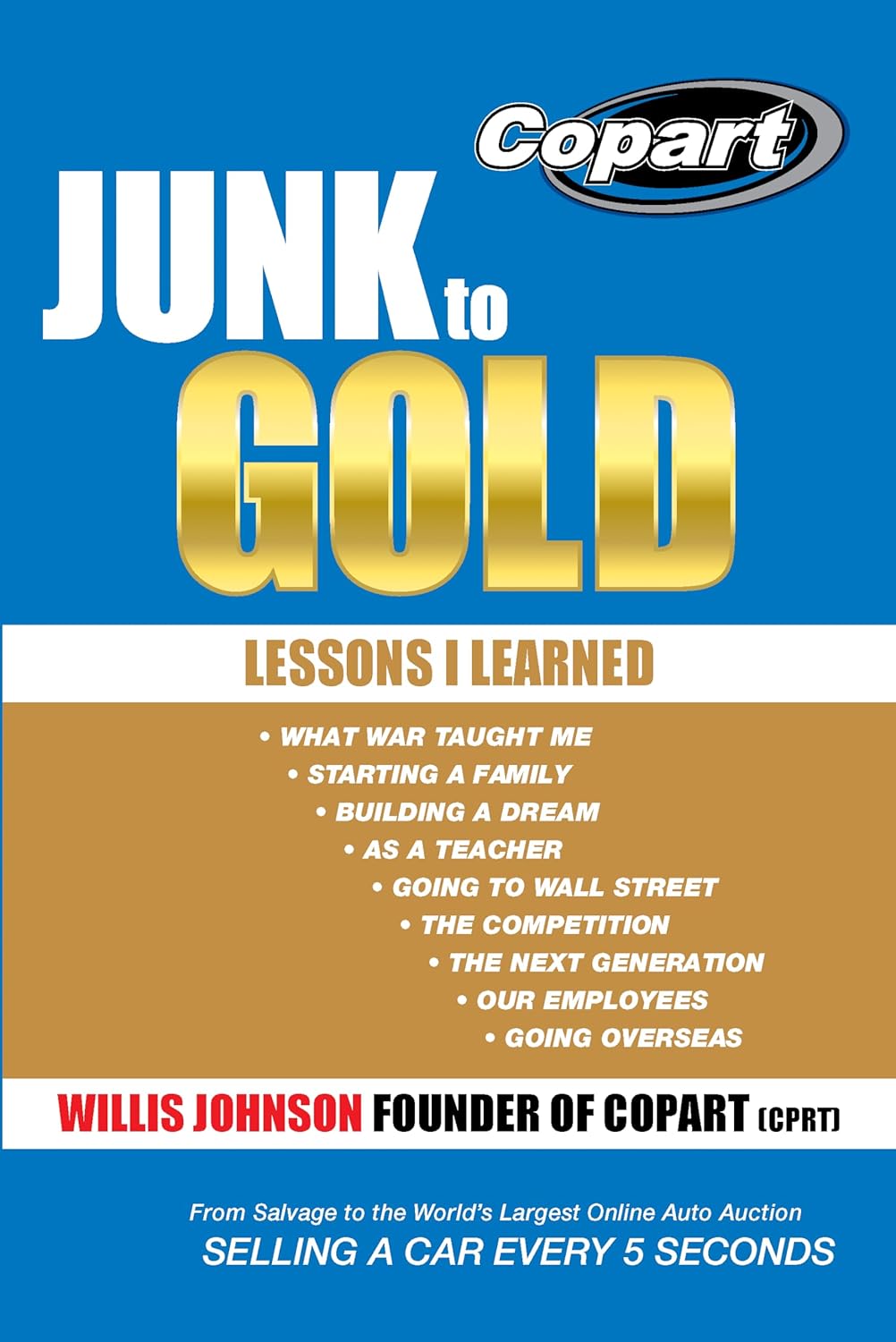
Junk to Gold
Autobiography of Willis Johnson, billionaire and founder of global auto auctioneer Copart. Describes his upbringing, military service, and how he transformed a scrapyard into a global auto auction empire. He shares each of the invaluable lessons, strategies, and the philosophies he developed build his company.
Didn't have a mission or vision in the beginning. Lessons reinforced with concise stories. Read 2014 paperback.

Direct from Dell
Autobiography from Michael Dell, founder of Dell Computer. Details how he bootstrapped the company and how his early strategies propelled Dell to over $12 billion in annual revenue in just 14 years.
Read 1999 hardcover

Taken at the Flood
Biography about Albert Lasker, entrepreneur and pioneer of modern advertising techniques. Details his upbringing, innovative marketing techniques, personal struggles, and his groundbreaking transformation of how products and ideas are sold.
Hired Claude Hopkins. Read 1960 hardcover.
March 2025
4 books

That Will Never Work
Biography of the first five years of Netflix through its IPO, written by Marc Randolph, cofounder and first CEO. It details how the company turned the idea of mailing DVDs into reality, navigated the dotcom bubble bursting, found its winning subscription strategy, and launched kiosks.
Lessons on splitting founding equity and radical cofounder honesty. Blockbuster passed on buying Netflix for $50m. Read 2019 hardcover.

Empire: The House That John H. Johnson Built
Biography of John H. Johnson, publishing magnate who founded Ebony and Jet magazines. Details how he built and diversified Johnson Publishing Company, his management style, and the decline of his empire after his death.
Compliments Johnson's 1992 autobiography. GFC and internet decimated his empire after his death. Read 2018 hardcover.
%20Story%20of%20Albert%20D.%20Lasker.jpg)
The Man Who Sold America
Biography about Albert Lasker, an advertising entrepreneur who reshaped America’s consumer culture. Delves into his personal life and mental health struggles, his impact on the advertising industry, and how he reshaped American politics through public relations and marketing.
Good context on work with Claude Hopkins and how Lasker influenced presidential and gubernatorial elections. Read 2010 hardcover.

An Honorable Titan
A biography about newspaper entrepreneur Adolph S. Ochs' life. Describes his journey from a Chattanooga dropout to acquiring The New York Times and transforming it into a globally respected journalistic institution.
Doubled down when broke to buy NYT. Unique deal structure. High school dropout. Read 1946 hardcover.
April 2025
4 books

Continuous Discovery Habits
A framework for entrepreneurs and product teams to increase their chances of building something customers want. Details a process for enhancing a product in a way that creates value for customers and avoids building useless features.
Creating opportunity solution tree (OST) diagrams and talking with customers weekly clarifies the most valuable opportunities. Read 2021 paperback.

Netflixed
A biography of Netflix, from inception through 2011. Details the epic battle with Blockbuster and how Netflix almost lost. Describes the strategy and decisions behind the transition from DVD rentals to streaming.
Blockbuster's board members helped Netflix win their battle. Read 2012 hardcover.

The Father of Spin
Biography of entrepreneur and PR strategist Edward L. Bernays. Details how he helped companies and politicians change public perception. His use of propaganda, persuasion, and influence techniques laid the foundation for modern public relations.
Mastered changing public opinion. Convinced American women to embrace smoking. Good intro on public relations. Read 1998 hardcover

A Technique for Producing Ideas
A practical framework entrepreneurs and creatives can use to consistently generate new ideas. It's a simple five-step formula and approach that demystifies idea generation.
Quick read. Helpful framework. Consuming general knowledge and combining with specific knowledge is important. I'm more confident about creating ideas and know how to do it repeatedly.
May 2025
4 books

Pre-Recorded History
The biography of Andre Blay, the entrepreneur who pioneered home video and laid the foundation for Blockbuster, Netflix, and the home movie industry. This book explores how he launched the market for selling and distributing movies on VHS, ultimately spawning a multi-billion-dollar rental economy and tens of thousands of video store entrepreneurs. It also examines the history of movie distribution and how Blay’s innovations reshaped Hollywood’s business model and consumer habits forever.
History lesson on movie distribution. Describes how new technology changed distribution and created a massive new market. Blay saw the future early. Clear parallels to Ted Turner, who used cable and satellite to do something similar around the same time. Hard to find book, email me for tips.

Damn Right!
The biography of billionaire entrepreneur and investor Charlie Munger. This book explores his early life and career in depth. It describes his evolution from lawyer to real estate developer, hedge fund manager, and eventually Warren Buffett’s trusted partner at Berkshire Hathaway. The book highlights Munger’s distinctive multidisciplinary thinking and examines his wide-ranging business interests beyond Berkshire.
Driven by a desire for independence. Real estate development led to Munger’s financial freedom. Good details on how Munger and Buffett structured their early partnerships (e.g., hedge funds). Charlie had numerous successful ventures outside of Berkshire. Read the 2000 hardcover.

A Short History of Financial Euphoria
A sharp look at some of history’s most famous financial bubbles—from 1600s Tulip Mania to the 1980s junk bond frenzy and savings and loan crisis. Explores who was involved, what triggered each mania, and why rational people got swept up. The book reveals the timeless patterns behind speculative euphoria and shows how these cycles repeat—and how they can be recognized.
Short book, packed with useful insights. Reads like a mini-biographical anthology–I bought biographies on several people mentioned. Pairs well with Bull! (covers bubbles from 1982–2004). Key idea: “Financial genius is before the fall.”

Lead Follow or Get Out of the Way
Biography of Ted Turner, media entrepreneur and founder of CNN and TBS. The book covers the first half of his life, with a detailed focus on 1979–1980. During those years, the author had near-total access to Turner, offering a behind-the-scenes view as he transformed TBS into a national superstation, battled federal regulators, launched CNN, and braved the deadly Fastnet yacht race.
Glimpse into a young Ted Turner's mind and operating style. Lots of direct quotes from Ted. Heavy focus on a difficult period for Ted.
June 2025
5 books

The Lifetime Learner's Guide to Reading and Learning
A practical framework from serial entrepreneur Gary Hoover on how to be a lifelong learner by reading. Hoover—who has studied business since his childhood, founded and sold multiple companies, and once owned a 70,000-book collection—shares insights from reading over 35,000 business books. In this guide, he lists his top 160 books and offers actionable strategies on how to choose what to read, how to read efficiently and deeply, and how to retain and connect ideas over time
Complements "How to Read a Book" by Mortimer Adler. Offers valuable insights for entrepreneurs and investors who read to solve problems and generate ideas. Hoover’s thinking echoes Charlie Munger’s multidisciplinary approach to learning. His 70,000-book personal library and his founding of the American Business History Center signal deep credibility—I ended up buying several books from his top 160 list. Read 2017 paperback.
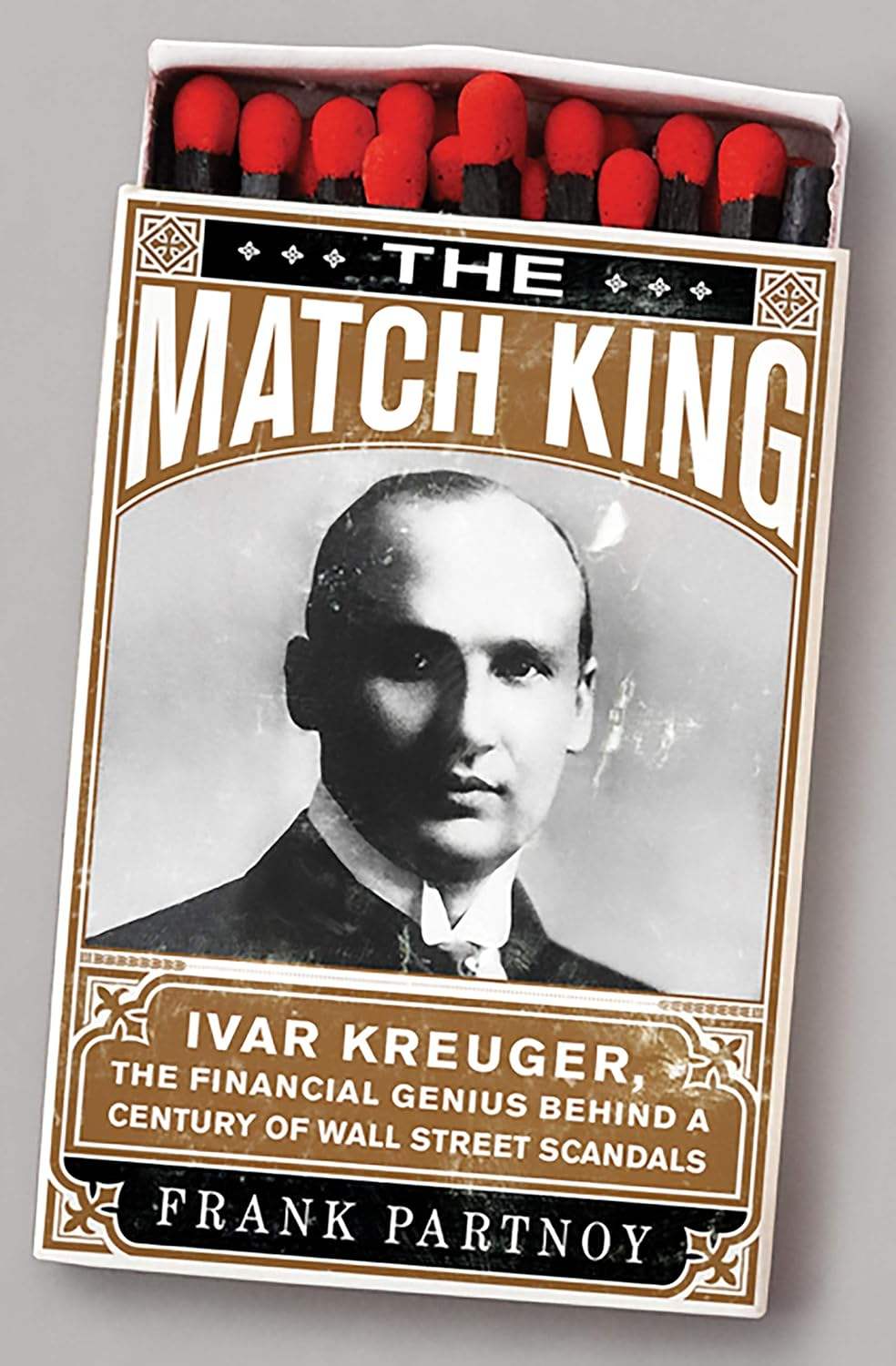
The Match King
Biography of Ivar Kreuger, the entrepreneur who built a global match empire in the 1920s and 1930s. Through aggressive financial engineering, he became a banker to nations. He raised money in the U.S. stock market and used those funds to issue loans to governments in exchange for national match monopolies. The book describes how a mix of opaque financials, fraud, overextension, and the stock market crash ultimately brought down his empire — and led to his death.
Kreuger's empire and deals were complex. Fascinating look at pre-central bank government borrowing. Cautionary tale on leverage and shifting stock market sentiment. Read 2010 hardcover.

Influence
A framework for understanding the predictable psychological triggers that drive compliance in people. It’s built around six core principles. Mastering these helps you recognize when they're being used on you—and ethically encourage others to say yes or act in a way you desire.
Charlie Munger recommended this book and drew on its ideas when developing his own mental models. I read the 2006 paperback edition and plan to read the updated 2021 version as well.

How to Win Friends & Influence People
A framework for improving your interpersonal skills, building relationships with people, and persuading people to be receptive to your way of thinking. It outlines the core principles behind the framework and illustrates them with real-world examples and letters from Carnegie’s students. This is a framework that anyone can apply to become more persuasive, likable, and empathetic in everyday life.
Warren Buffett took Carnegie’s course based on the principles in this book, and he’s said it changed his life. The principles are straightforward and make a lot of sense—I plan to start applying them. This book is a great complement to Influence: The Psychology of Persuasion. I read the 1998 paperback edition, but there’s an updated hardcover from 2022 that I plan to read as well.
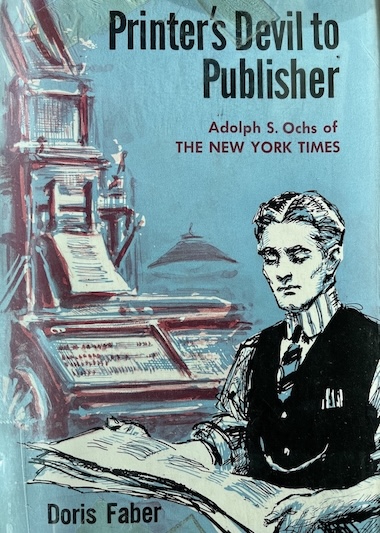
Printer's Devil to Publisher
A biography of newspaper entrepreneur Adolph S. Ochs, who acquired newspapers and is credited with rescuing The New York Times from near failure and turning it into a globally respected publication. The book traces Ochs’s journey from his early newspaper ventures in Chattanooga—where a debt crisis forced him to take the gamble of a lifetime—to his bold acquisition of the Times and the journalistic principles that guided its revival.
This book provides more details about Ochs’s early journey in Chattanooga and other prominent publishers of that era. It goes into greater detail about the land deal that nearly ruined him and the deal structure to acquire The New York Times. It’s a good complement to An Honorable Titan: A Biographical Study of Adolph S. Ochs. Read 1963 hardcover
July 2025
4 books
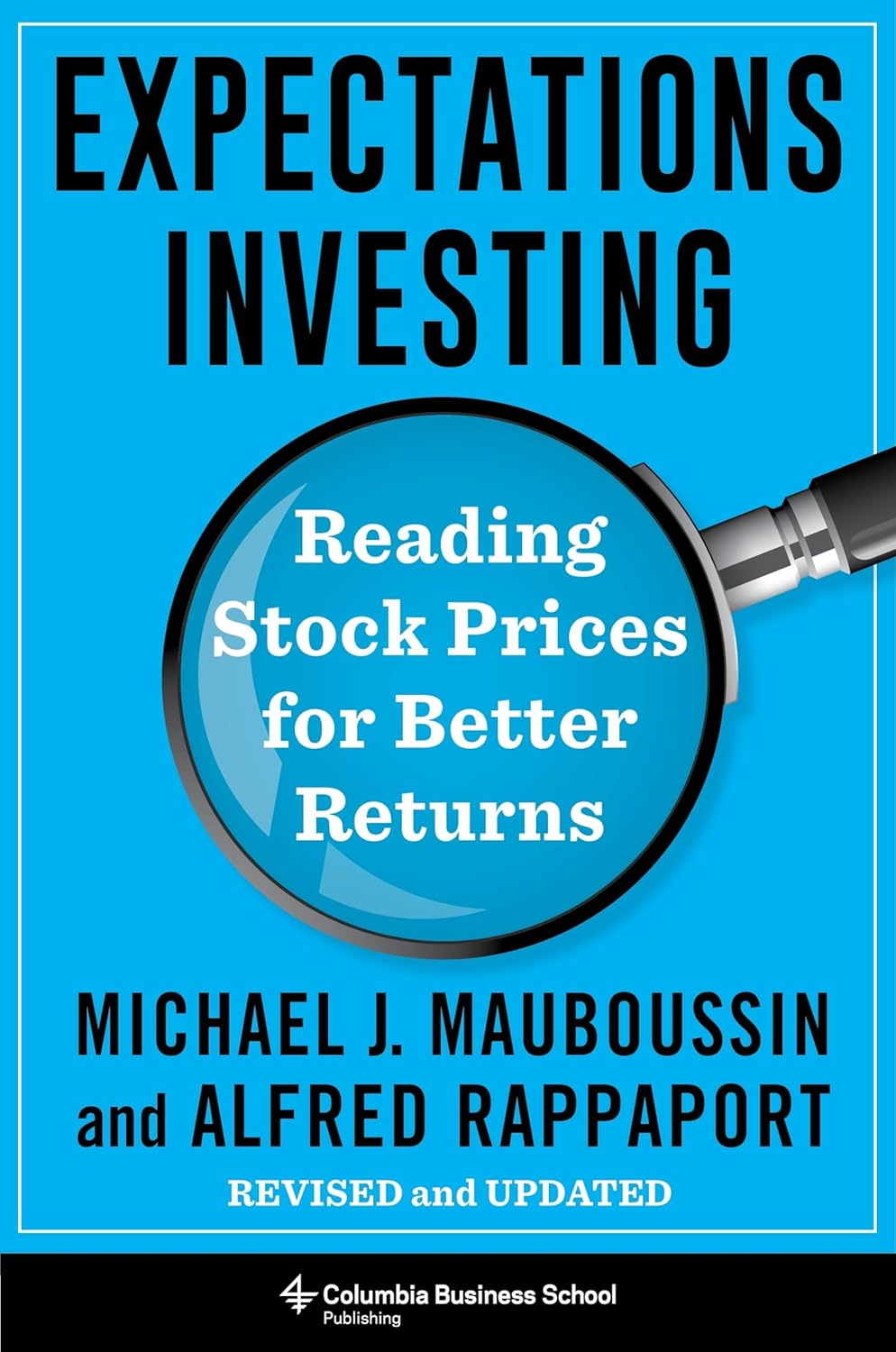
Expectations Investing
A framework for value investors to reverse-engineer the expectations embedded in a company’s stock price. By quantifying the levels of revenue growth, free cash flow, and strategic optionality implied by the market—and determining how far into the future these assumptions extend—investors can assess whether a stock is mispriced relative to their own analysis.
Grad-level value investing approach. Helps reverse-engineer expectations baked into a stock’s price. Not beginner-friendly, but learnable with effort. Useful for deciding when to exit. I like the Value 3.0 method in Adam Seessel’s "Where the Money Is" for pinpointing a margin-of-safety buy price. Book website has useful math tutorials. Excellent breakdown of 3 ways to estimate continuing value in DCF (with inflation). Strong framework for value creation (triggers, factors, drivers), competitive dynamics, value chain, and tangible vs intangible assets. Step-by-step cost of capital calc was excellent. Read 2021 hardcover.
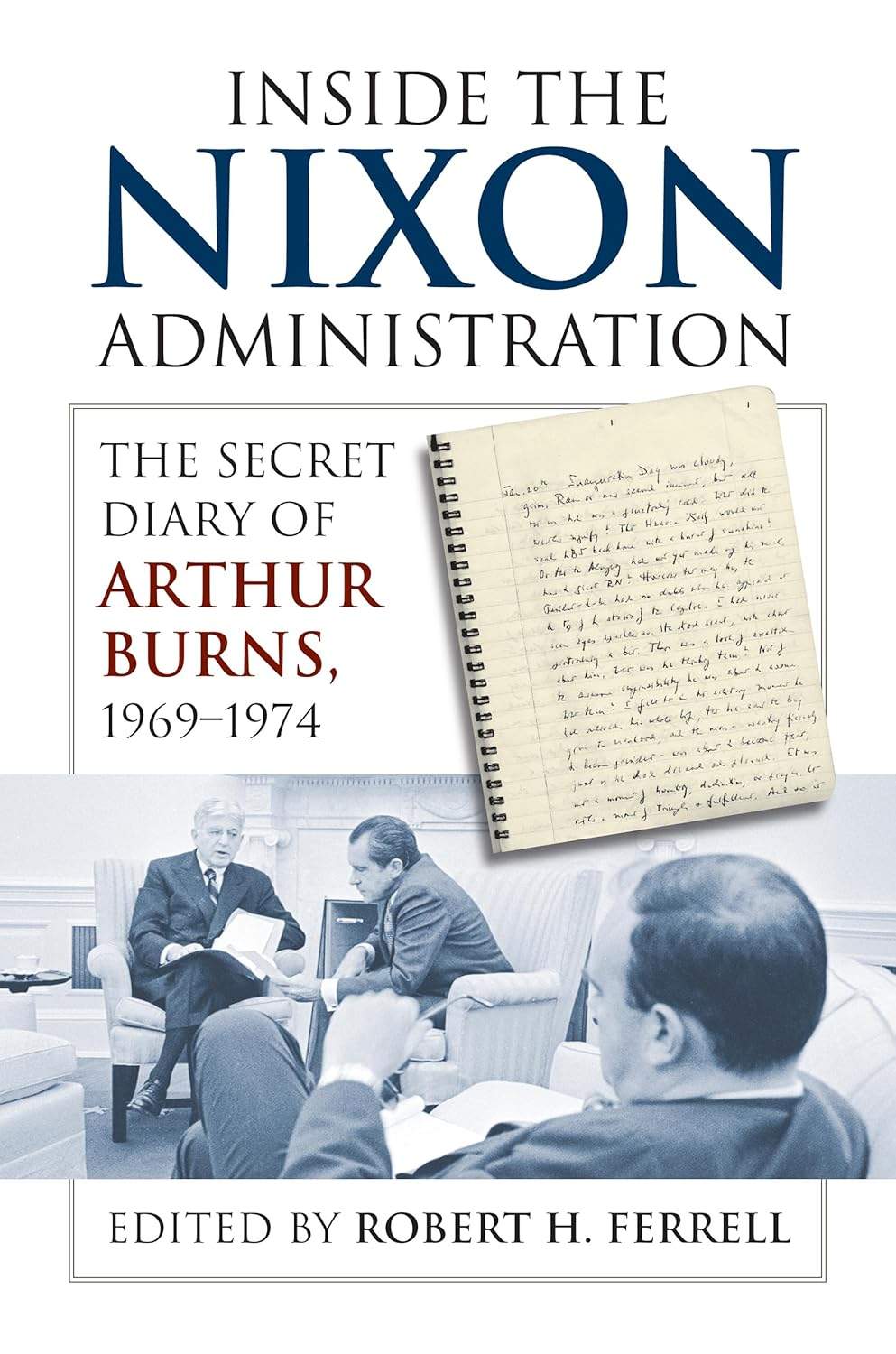
Inside the Nixon Administration
The private diary of Arthur F. Burns—Nixon’s top economic adviser in 1969 and Federal Reserve Chairman from 1970 to 1978—offers an unfiltered view of the Nixon administration and the political pressures that shaped its economic policies, which led to double-digit inflation in that era. Though Burns died in 1987, his diary remained sealed until 2008. Across entries from 1969 to 1974, he recorded his shifting impressions of Nixon and his inner circle, including candid commentary on Paul Volcker, Henry Kissinger, George Shultz, and John Connally. The diary reveals how Nixon’s personality and reelection priorities influenced monetary decisions and provides a rare, behind-the-scenes account of the Watergate scandal and what the tapes ultimately revealed about Nixon’s leadership.
Fascinating look at how the Nixon White House really worked and who Nixon actually was. It reads like a raw diary, not a polished narrative. Burns’ unfiltered thoughts are invaluable—never meant to be shared, so there’s no spin. Full of sharp insights. Helped me understand how inflation and interest rates spiked from 1968 to 1982. Nixon prioritized employment to win reelection, even though he knew it was driving inflation. Candid evaluation of character and motivations of Paul Volcker, Henry Kissinger, and others. Great source of insight on this period.

Creative Capital
Biography of Georges Doriot, the visionary who helped invent venture capital. It follows his path from banker to Harvard Business School professor, U.S. Army brigadier general during WWII, and founder of American Research and Development Corporation (ARDC)—one of the first, and then the only publicly traded, venture capital firms. Doriot pioneered the model of connecting inventors with both capital and guidance, battled the SEC over stock options and valuations, helped spawn VC firms like Greylock Partners, and ultimately sold ARDC.
Doriot was the first frenchman to attend HBS. He financed George H. W. Bush’s oil company. ARDC’s compensation issues led to its downfall. Homophily was key to recruiting and deal flow. As a public firm, Doriot struggled to generate sufficient cash flow to fund operations while allowing maturing portfolio companies time to deliver returns. ARDC often took large stakes—exceeding 50%. Its best investment was Digital Equipment Corporation (DEC)—a $70k investment that grew to over $200 million in 14 years, with ARDC owning more than 50% at IPO. Doriot co-founded INSEAD in France and modeled it after HBS. At his death, the majority of his wealth was in DEC stock. Read 2008 hardcover.
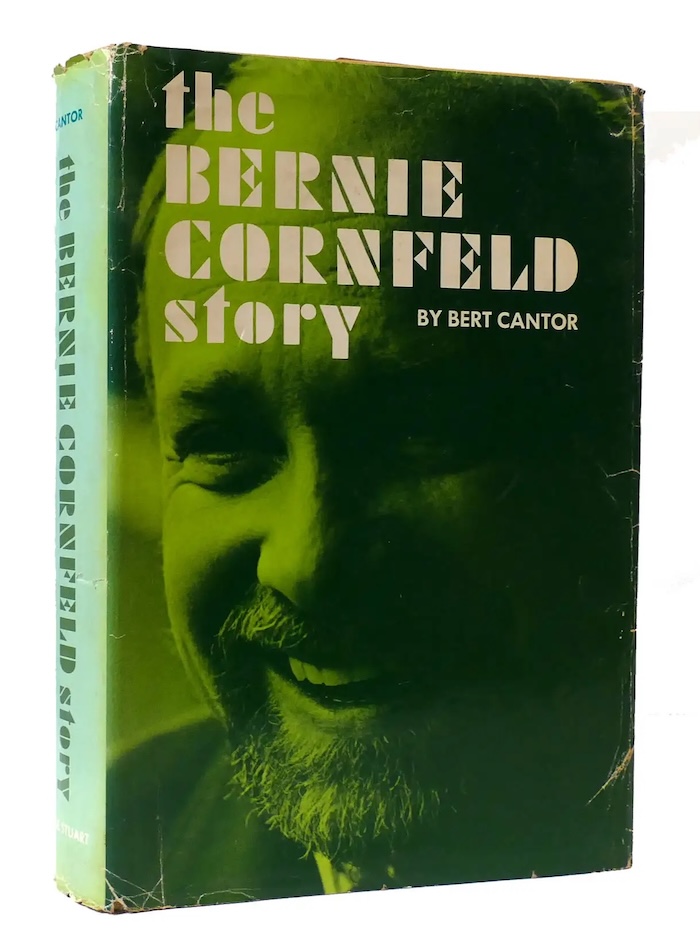
The Bernie Cornfeld Story
Biography chronicling the dramatic rise and fall of Bernard “Bernie” Cornfeld, who built Investors Overseas Services (IOS) into a multibillion-dollar offshore fund-of-funds empire in the 1960s. Traces his path from immigrant social worker in the U.S. to flamboyant financier in Switzerland, pioneering aggressive sales and marketing tactics, which led to rapid international growth. The book reveals deep structural flaws in IOS that ultimately led to a spectacular collapse.
A Short History of Financial Euphoria by John Kenneth Galbraith mentioned IOS and Cornfeld—that led me to this book. Inside look at how one of the first and biggest fund-of-funds worked. IOS blew up after interest rates rose, macro conditions shifted, and the business was mismanaged. Read 1970 hardcover.
August 2025
5 books

The Bogle Effect
A biography of Jack Bogle, the founder of The Vanguard Group, and his mission to revolutionize investing. Eric Balchunas, a senior ETF analyst at Bloomberg, details Vanguard’s unique investor-owned structure, how it grew into the world’s largest index fund provider, and Bogle’s relentless drive to cut costs and disrupt Wall Street. The book also traces Bogle’s early career, his forceful personality, and the lasting impact of his vision on the asset management industry.
The story begins in the Nixon era. Indexing took off when rates fell in the 1980s and the market started rallying. The book is an informative history of indexing. Indexing likely benefited from interest rates trending lower from 1982 through 2025. Unclear if it works as well in a rising-rate environment like the Nixon era. Read 2022 hardcover.
T. Rowe Price
Biography of Thomas Rowe Price Jr., founder of T. Rowe Price Group. This book details his life and how, during the 1930s Depression, Price recognized that owning growing businesses generated the largest fortunes. It also details how he started his firm and created a growth investing movement.
Interesting to see how Price's macro top-down investing style worked and didn't work. He shouldn't have sold his firm imo. Read 2019 hardcover.
Warren Buffett's Ground Rules
This framework distills the principles Warren Buffett applied at his investment partnership, Buffett Partnership Ltd., from 1956 to 1969. During this period, he delivered exceptional returns without a single down year. Each chapter focuses on a core investing principle, illustrated with excerpts from his partnership letters. The book also explains the three strategies he used: Generals—buying undervalued securities, Workouts—profiting from merger arbitrage, and Controls—taking majority ownership to influence a company’s direction.
Buffett navigated the Nixon era by sitting it out. Closed the partnership in 1969. Detailed his logic for closing. Good details on partnership structure and LP terms. Investing methods changed over time, principles didn’t. Useful chapter on taxes—goal is the largest after-tax compound rate. Letter explaining municipal bonds to LPs was helpful. Read 2016 hardcover.
The Most Important Thing
A framework from Howard Marks, co-founder of Oaktree Capital, for thinking about investing. The book details nineteen principles that help investors understand how to think independently and focus on judgment, risk, cycles, market psychology, and other areas. These principles improve decision-making, raise the odds of superior returns, and protect against downside risk.
Great compliment to Mark's book "Mastering The Market Cycle." Read 2011 hardcover.

Technological Revolutions and Financial Capital
A historical account of how successive waves of new technologies have reshaped economies over the past two centuries. Perez explains the relationship between technological revolutions and the capital that funds their development. She shows that this relationship follows a recurring cycle, with distinct phases that carry profound economic and social ramifications.
Brad Burnham of Union Square Ventures said this book changed his perspective. It is unique because it works as both a history book and a framework book. Perez clearly explains the relationship between new technologies and the capital that funds them, how that relationship shifts across different parts of the cycle, and how it ultimately shapes society in ways most people don’t realize. Read 2002 paperback.
September 2025
4 books

Invested
An autobiography by Charles Schwab chronicling his journey from broke, non-technical entrepreneur to pioneer of the discount brokerage industry. This book shows how Schwab revolutionized personal finance by using technology to put control in the hands of everyday investors. He recounts navigating multiple market crashes and near-death moments in the company’s history—each pushing the firm to evolve and innovate.
Unfocused in early days — newsletter, venture capital, mutual fund. 1975 — SEC allows negotiated commissions. Schwab doubles down on discount brokerage. Competitor to Joe Ricketts at Ameritrade. Headquartered in San Francisco. Acquired by Bank of America for $55M. Bought it back 4 years later — $280M LBO + $50M profit share = $320M total. High-volume, low-margin model for years. Used tech to scale and drive efficiency. Originally published in 2019. Read 2022 hardcover w/ new forward and updated title.
The Harder You Work, the Luckier You Get
A memoir by Joe Ricketts recounting how he built Ameritrade into a $30 billion disruptor of Wall Street by pioneering the discount brokerage model.
Read 2019 hardcover.
The 22 Immutable Laws of Marketing
Framework book on marketing that outlines 22 core principles, with a strong focus on positioning and perception. It distills essential mental models that drive effective brand strategy and enduring market success.
Quick, clear read that demystifies marketing and its core principles. Helped me see why some tactics work and others flop. Glad I read it. Worth revisiting. Read 1994 paperback.
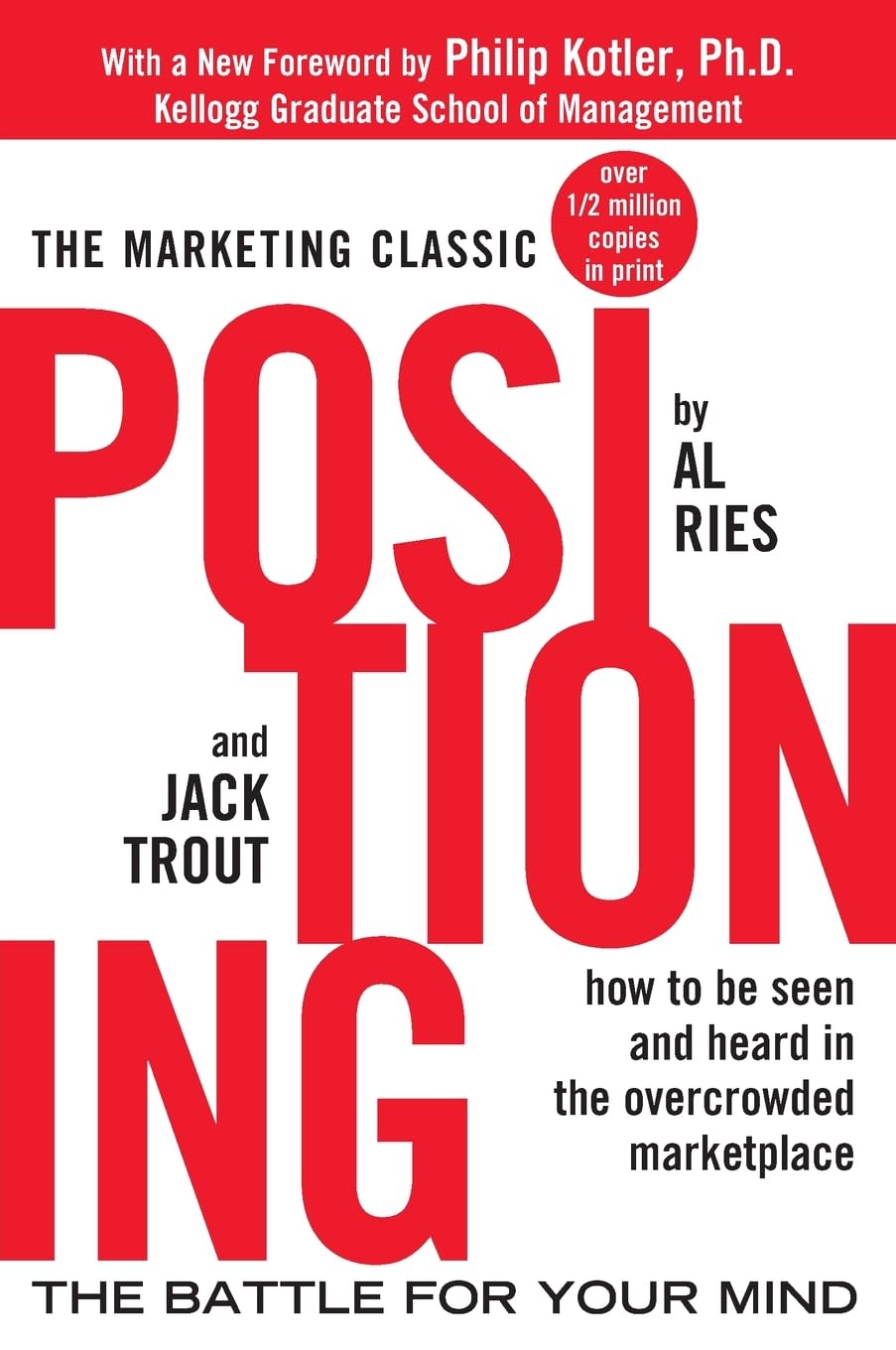
Positioning
Framework book on marketing that reframes it as a battle for perception—owning a position in the customer’s mind. It explores practical strategies for establishing distinct positions and reinforces them with memorable company examples.
Helpful read on perception in marketing. What people think matters most—and this book shows how to shape that thinking. Worth revisiting. Originally published in 1981. Read 2001 paperback.
October 2025
4 books
Expectations Investing
A framework for value investors to reverse-engineer the expectations embedded in a company’s stock price. By quantifying the levels of revenue growth, free cash flow, and strategic optionality implied by the market—and determining how far into the future these assumptions extend—investors can assess whether a stock is mispriced relative to their own analysis.
Grad-level value investing approach. Helps reverse-engineer expectations baked into a stock’s price. Not beginner-friendly, but learnable with effort. Useful for deciding when to exit. I like the Value 3.0 method in Adam Seessel’s "Where the Money Is" for pinpointing a margin-of-safety buy price. Book website has useful math tutorials. Excellent breakdown of 3 ways to estimate continuing value in DCF (with inflation). Strong framework for value creation (triggers, factors, drivers), competitive dynamics, value chain, and tangible vs intangible assets. Step-by-step cost of capital calc was excellent. Read 2021 hardcover.
Think Twice
A framework for improving decision-making in complex adaptive systems like business and investing. Mauboussin argues that success in environments defined by complexity and uncertainty requires moving beyond first-level thinking. He explains how recognizing biases, challenging mental models, applying the “outside view,” and distinguishing skill from luck can strengthen judgment. By using structured tools—such as checklists, decision journals, and premortems—and focusing on the quality of the decision process, leaders can reduce costly errors and make more consistently sound decisions.
Great book to improve decision-making. Read 2009 hardcover
The Great Inflation and Its Aftermath
A historical account of the U.S. “Great Inflation” from the mid-1960s to the early 1980s, detailing the policy decisions—and missteps—that allowed inflation to become entrenched. Samuelson examines how actions under the Nixon administration fueled inflation, while the Reagan era’s monetary tightening brought painful disinflation. He also explores how the economic boom that followed in the post-1980s period fostered complacency and systemic risk, ultimately contributing to the 2008–2009 financial crisis.
Author of a Wall Street history book mentioned this book. Hardcover published in 2008; 2010 paperback includes updates about the GFC. Read 2010 paperback.
More Than You Know
A framework book composed of essays that teach better decision-making by thinking broadly and drawing insights from multiple disciplines—psychology, biology, and complexity science. Mauboussin emphasizes the importance of probabilistic thinking over relying on historical rules, helping readers navigate uncertainty and complexity more effectively. The book is organized into four main sections: Investment Philosophy, Psychology of Investing, Innovation & Competitive Strategy, and Science & Complexity Theory.
Read 2017 hardcover.
November 2025
5 books
Einstein of Money
A biography of Benjamin Graham, the father of value investing, the only boss Warren Buffett ever had, and one of Buffett’s most influential mentors. The book traces the early hardships that shaped Graham’s worldview—his family’s financial collapse, his mother’s struggles, and the losses he suffered in the 1929 crash. These experiences fueled his drive for financial independence and led him to start his own investment partnership (i.e., hedge fund) and to develop the analytical framework that still anchors value investing today. His philosophy introduced enduring concepts such as intrinsic value, margin of safety, and the “Mr. Market” parable. The book also explores the contrast between Graham’s high professional ethics and the complexity of his personal life.
Prolific author. Complicated, but brilliant man. Warren Buffett copied several concepts. Read 2012 hardcover.
The Success Equation
A framework book on how to assess the influence of skill and luck in decision-making. It introduces the skill–luck continuum—a spectrum showing how much outcomes depend on each. It explains how sample size and reversion to the mean differ across luck- and skill-driven activities, and how to build skill differently depending on where your activity falls on that continuum. It also highlights why rationality quotient (RQ) matters more than intelligence quotient (IQ) in making consistently good decisions.
Great book about making better decisions. I took lots of notes and am implementing the concepts immediately. Read 2012 hardcopy.
Warren Buffett's 3 Favorite Books
A framework book that distills the value-investing principles shaping Warren Buffett’s investing style. It simplifies and explains the core ideas from three foundational works Buffett often cites—The Intelligent Investor and Security Analysis (both by Benjamin Graham) and The Wealth of Nations (by Adam Smith)—presenting them in an accessible, example-driven way.
Wanted to read The Wealth of Nations for years but found the original difficult, so I read this to grasp its core ideas. A great book for early investors with clear explanations of bonds, stocks, and yield. The chapters on valuing stocks and bonds were excellent. Takeaway: Cash flow from bonds is a tool to capitalize on stock market drawdowns. Learned about the Thayer method of learning—a self-teaching approach I already use but hadn’t known by name. Read 2012 paperback.
The Checklist Manifesto
A framework for using checklists to improve outcomes by acting and thinking more consistently in an increasingly complex world. Drawing on examples from surgery, aviation, and construction, the author shows how checklists reduce errors of omission—missing critical steps under pressure—and errors of ineptitude—failing to apply what we already know. He explains two types of checklists and when each applies: “do-confirm,” where you perform tasks from memory and then verify them, and “read-do,” where you follow steps line-by-line in high-stakes or unfamiliar situations.
Read 2011 paperback.

Dangerous Dreamers
A historical narrative about the people and events that set the stage for the junk-bond boom, LBO wave, and eventual S&L turmoil of the 1980s. It traces how early innovators like Louis “The Junkman” Wolfson, Charles Merrill, and conglomerate builder James Ling introduced concepts that later figures—Michael Milken, T. Boone Pickens, Carl Icahn, and others—would scale dramatically. The book explains how an obscure book on bond analysis sparked Milken’s insight into high-yield bonds, laying the groundwork for the junk-bond market, modern private equity, and the LBO era. It also highlights how the Great Inflation of the 1970s depressed stock prices, creating fertile conditions for takeover artists and financial engineers to use leverage to acquire companies trading below intrinsic value.
Explains in detail how high inflation in the 1970s and high rates in the 1980s set the stage for Michael Milken to dominate junk bonds in the mid 1980s. Read 1993 hardcover
December 2025
4 books
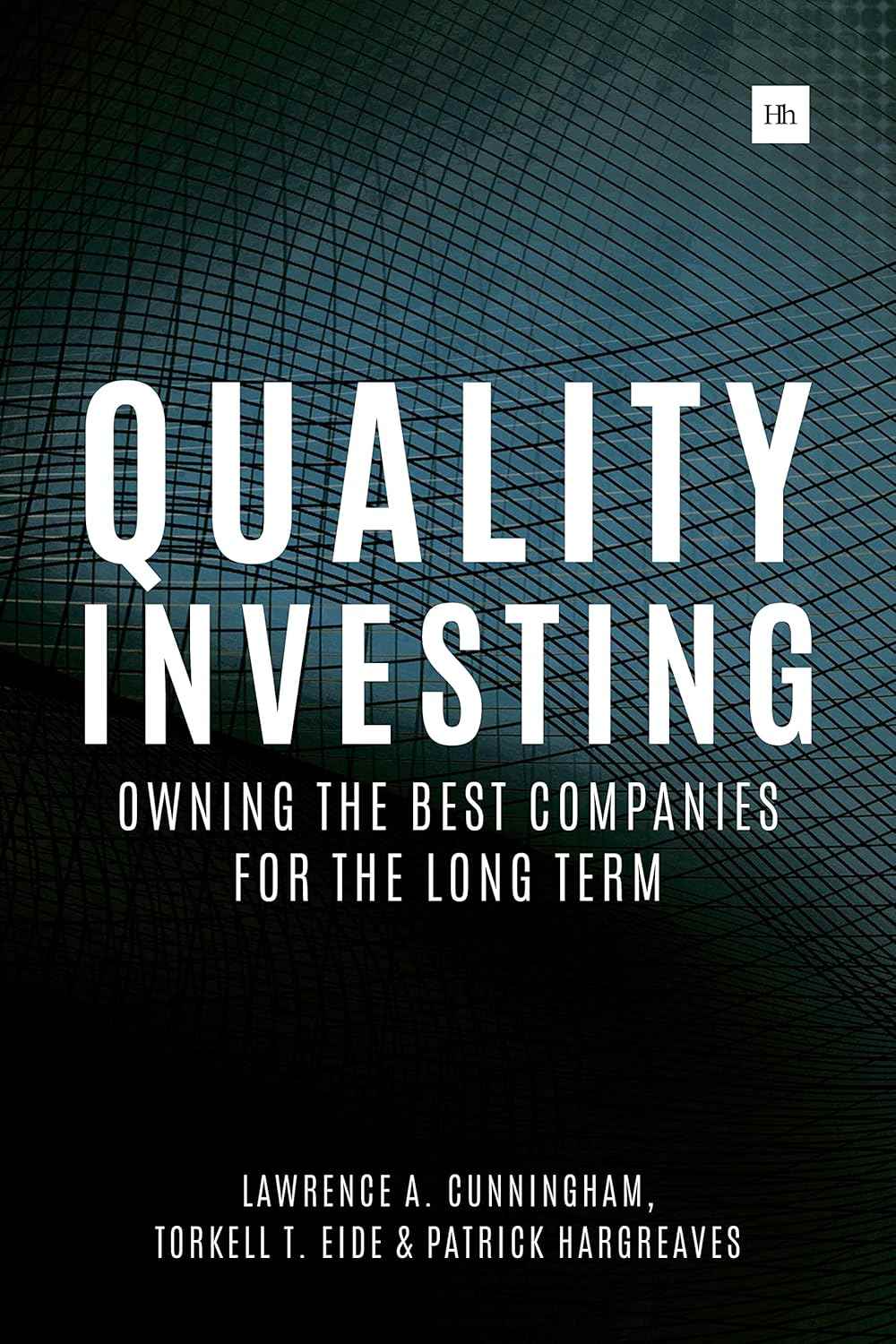
Quality Investing
A framework for identifying truly high-quality companies by breaking down the traits that matter most, how to recognize them, and how to evaluate their durability. It also shows which characteristics to avoid—like cyclical boosts or growth-at-any-price stories. At their core, quality companies share three pillars: predictable cash flow, abundant reinvestment opportunities, and sustainably high returns on invested capital—the engines of long-term compounding.
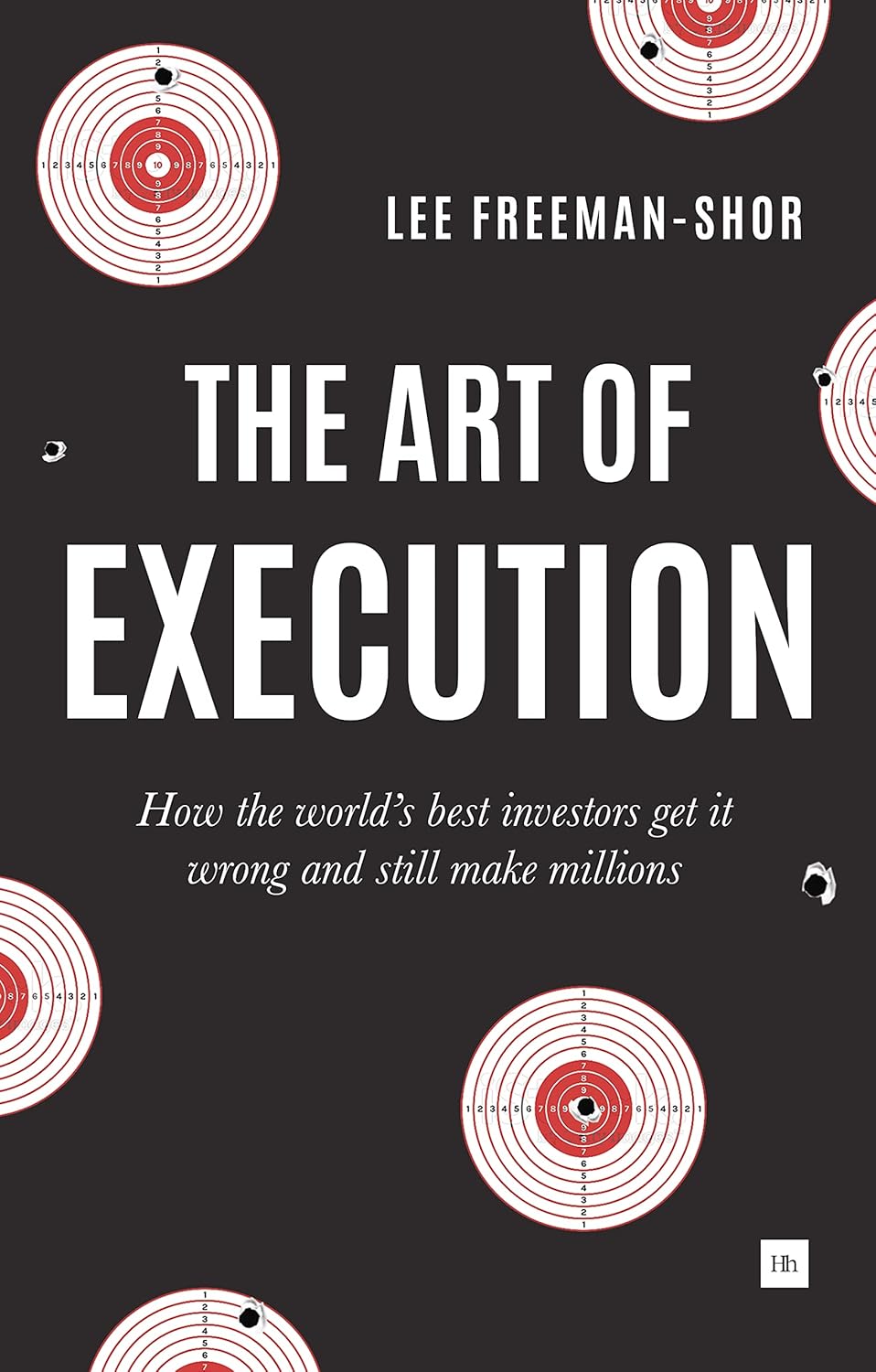
The Art of Execution
A framework book on the psychological mistakes that undermine investment execution and lead to poor returns, grounded in seven years of real-world return data from top fund managers deploying $25–150 million. The core idea is that a sound investing strategy is not enough—execution of that strategy materially drives outcomes. How investors manage positions after making an investment matters more than prediction accuracy. It’s not just how often they’re right, but how they manage their winners and losers that has an outsized impact on returns.
Read 2015 paperback.
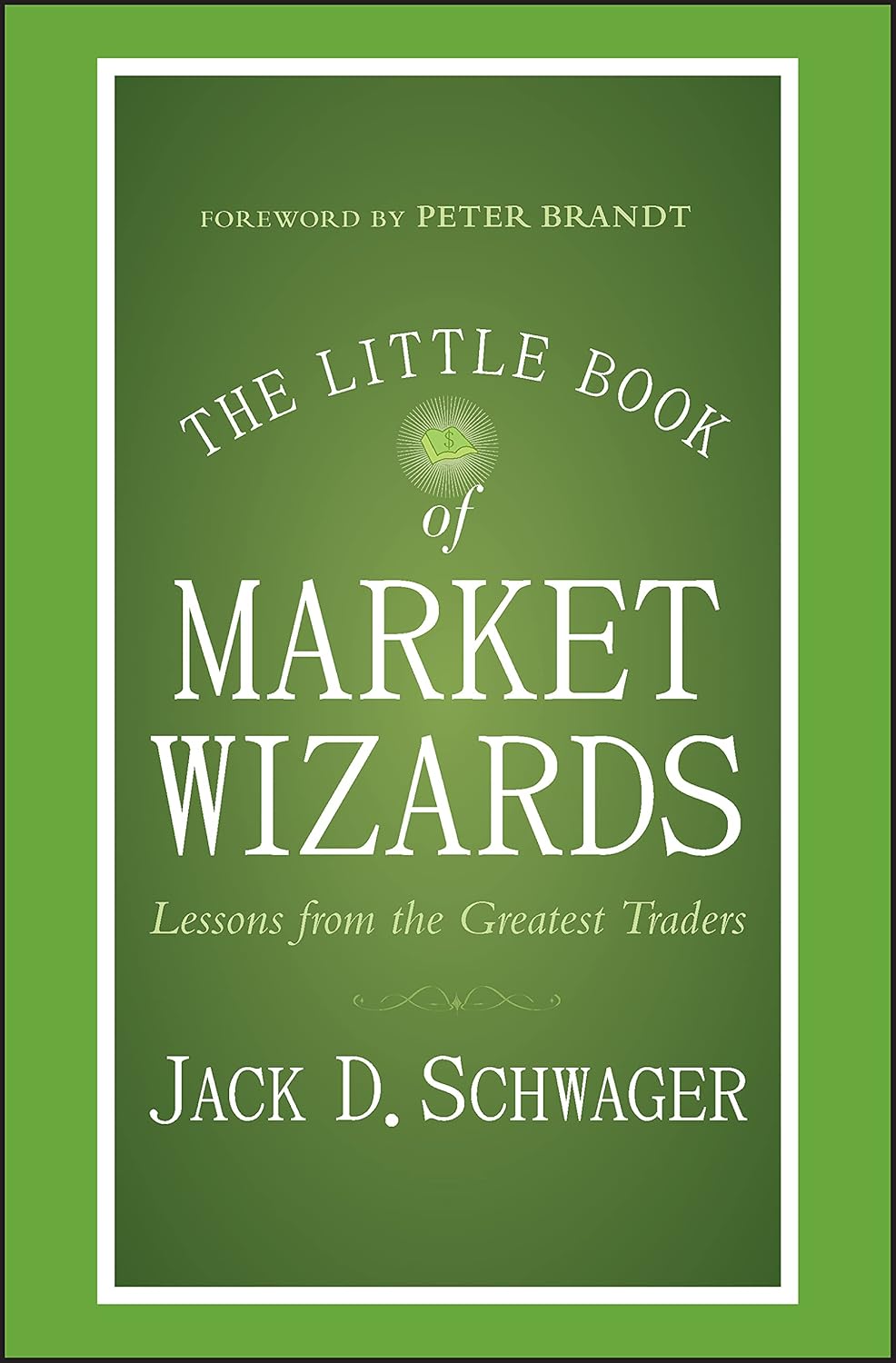
The Little Book of Market Wizards
A framework book distilling decades of interviews with elite public-market practitioners (investors and traders) into the core principles that powered their sustained outsized returns. This book focuses not on strategies, but on execution — risk management, habits, psychology, and decision-making, and the ability to continually learn and adapt.
Great insights and timeless wisdom around the psychology of making good decisions when executing an investment strategy. Read 2014 hardcover
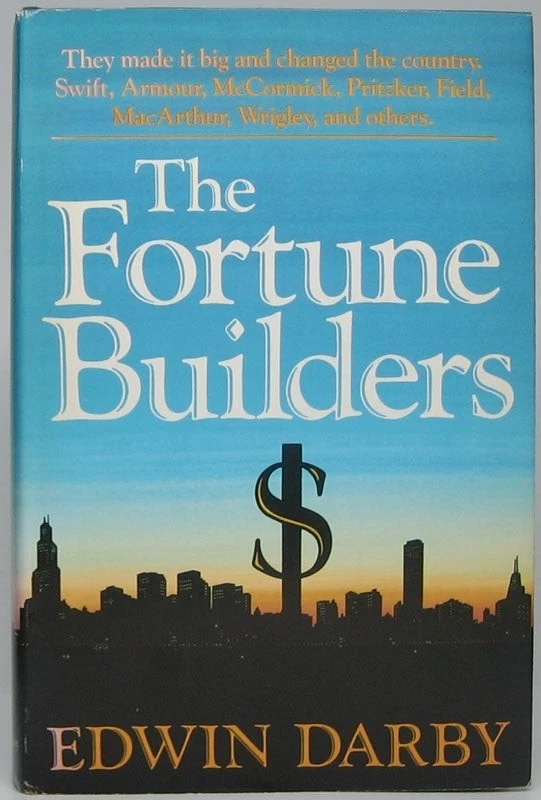
The Fortune Builders
A biographical anthology of Chicago’s most successful entrepreneurial families and the impact they had on American business. The book excels at telling each patriarch’s founding story, how Chicago’s position as a transportation and logistics hub provided a tailwind, and how subsequent generations expanded those early successes into enduring empires. Families profiled include Cyrus Hall McCormick (McCormick Harvesting Machine Company / International Harvester), Philip D. Armour (Armour & Company), Marshall Field (Marshall Field & Company), the Pritzker family (including Jay Pritzker and the founding of Hyatt Hotels), John D. MacArthur (Bankers Life and Casualty), William Wrigley Jr. (Wrigley Company), Arthur C. Nielsen Sr. (A.C. Nielsen Company), Gustavus Franklin Swift (Swift & Company), and John H. Johnson (Ebony and Jet magazines).
Fascinating explanation of how the McCormick, Pritzker, and Field families built multi-generational empires. The Armour family’s oil success came from patents that functioned like a tax paid by all refiners. Read 1986 hardcover. Kindle edition published in 2011.